
A small living room is full of possibilities when you know the right tricks. You do not need a huge space to create something beautiful and comfortable. Just a few smart choices can make your room feel bigger, brighter, and totally you. It is all about working with what you have and making every corner count. Here are some gorgeous ideas to get you inspired.
Gallery Walls That Tell Your Story
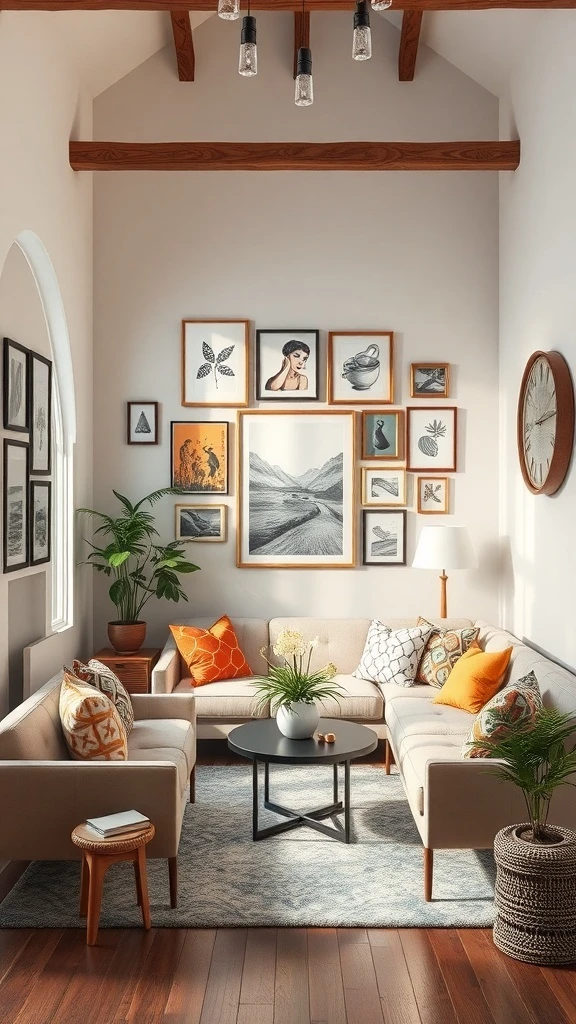
A wall covered in framed art instantly gives a small living room so much personality. Botanical prints mixed with portraits and abstract pieces all in warm wooden frames. Every piece is different but they all work together. The wall becomes the main event of the room. A few plants nearby soften the look and bring in that fresh natural feeling. It turns a blank space into something you could stare at all day.
Start collecting frames in similar tones like natural wood or matte black so the gallery feels connected even when the art styles vary. Lay everything out on the floor first to find an arrangement you love before putting a single nail in the wall. Mix sizes and orientations for a relaxed collected-over-time feel. Hang the center of the grouping at eye level so it feels balanced from where you sit. Add a trailing plant on a nearby shelf to blend the art wall into the rest of the room naturally.
Foldable Furniture That Disappears When You Need Space
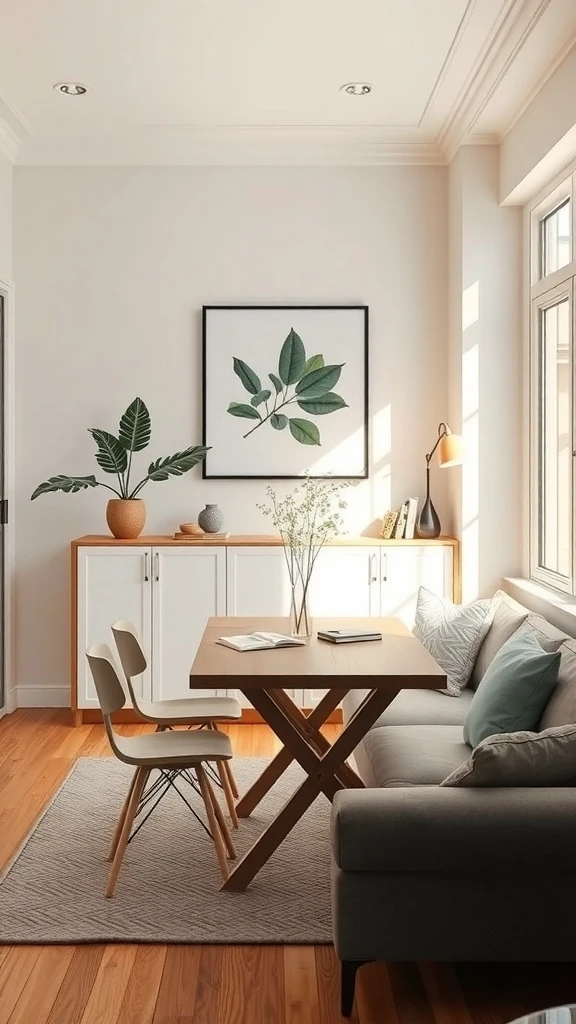
A table that folds flat and chairs that tuck completely underneath. This kind of setup gives you a dining area when you want it and open floor space when you do not. Light wood tones and a minimal design keep the room feeling airy even when the furniture is out. It is the perfect solution when your living room also has to be your dining room and sometimes your workspace too.
Look for a drop-leaf or gate-leg table that folds down to just a few inches wide. Pair it with slim folding chairs or stools that slide into a closet or lean against a wall when not in use. Choose natural wood finishes or white to keep things light and blended with the room. Position the table near a window so it doubles as a sunny breakfast spot or a bright workspace. This flexibility lets you use the room differently every day without ever feeling cramped.
Soft Neutral Colors That Open Everything Up
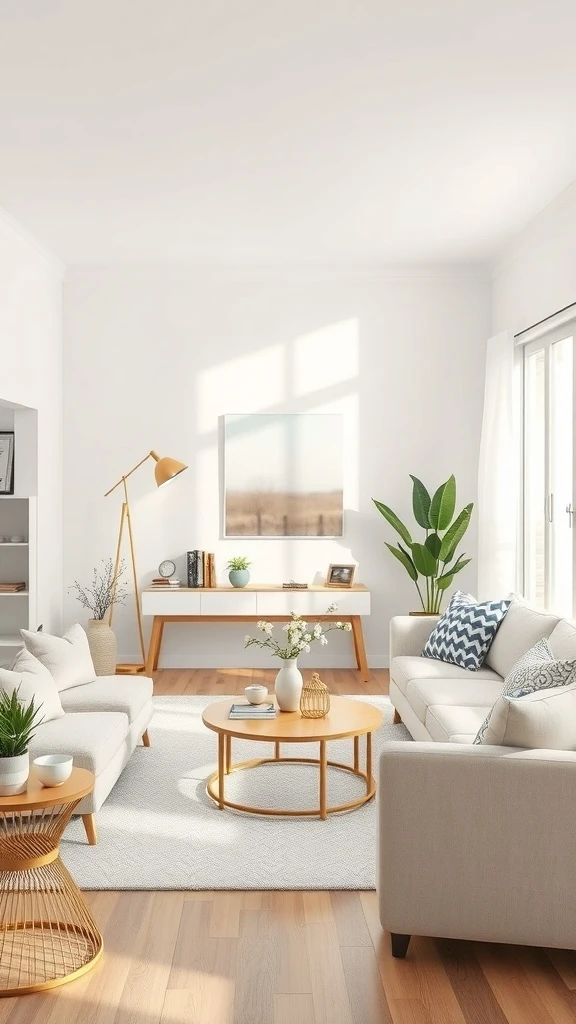
Light walls, a cream-colored sofa, and warm wood accents create this gentle calm feeling where the room just breathes. Nothing feels heavy or closed in. Natural light bounces off every soft surface and fills the space with warmth. A few textured cushions and a patterned rug add just enough visual interest without breaking the quiet flow. Greenery scattered around brings life to the neutral palette without competing with it.
Stick to a base of soft whites, warm creams, and light grays for your walls and biggest furniture pieces. Layer in warmth through natural wood side tables, rattan baskets, or a jute rug. Add depth with different textures like a linen sofa, a knitted throw, and velvet cushions all in the same color family. Introduce one or two small pops of muted color through artwork or a plant pot. This approach keeps the room feeling spacious while still being rich and inviting to sit in.
A Rug That Defines the Whole Room
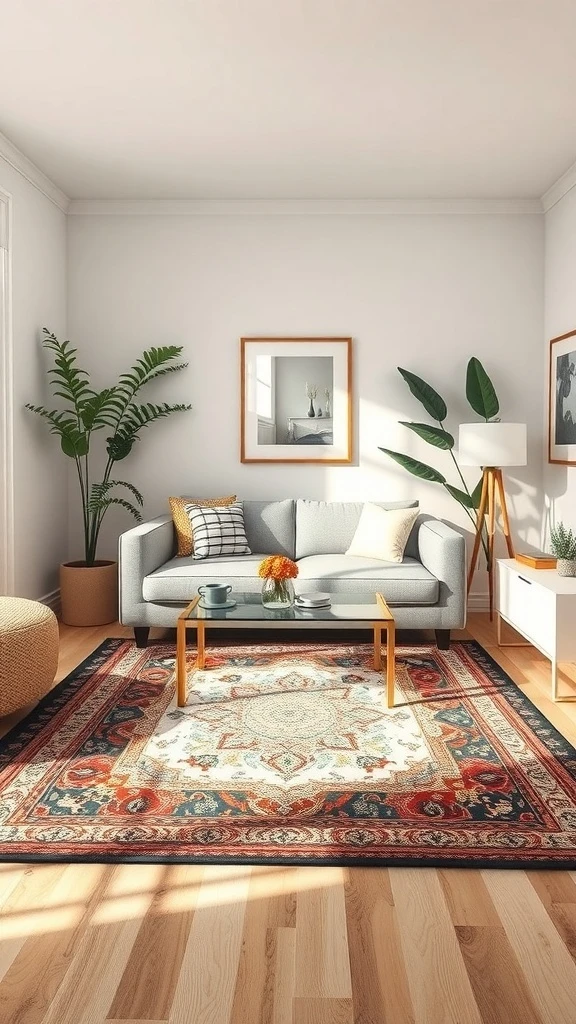
The right area rug anchors your living room in a way that makes everything else fall into place. A beautiful pattern underneath your sofa and coffee table instantly creates a zone that says this is where we gather. It ties the furniture together and adds warmth to hard floors. The colors and texture bring dimension that walls and furniture alone just cannot achieve. It is one piece that changes how the entire room feels.
Choose a rug large enough that at least the front legs of your sofa and chairs sit on it so the seating area feels unified. A patterned rug with muted tones works beautifully in a small room because it adds interest without overwhelming. Make sure the colors in the rug connect to something else in the space like your cushions or a piece of wall art. A low pile or flatweave is easier to keep clean and keeps the room from feeling too heavy. This one addition makes a small living room feel grounded and intentionally designed.
Tall Shelves That Draw the Eye Up
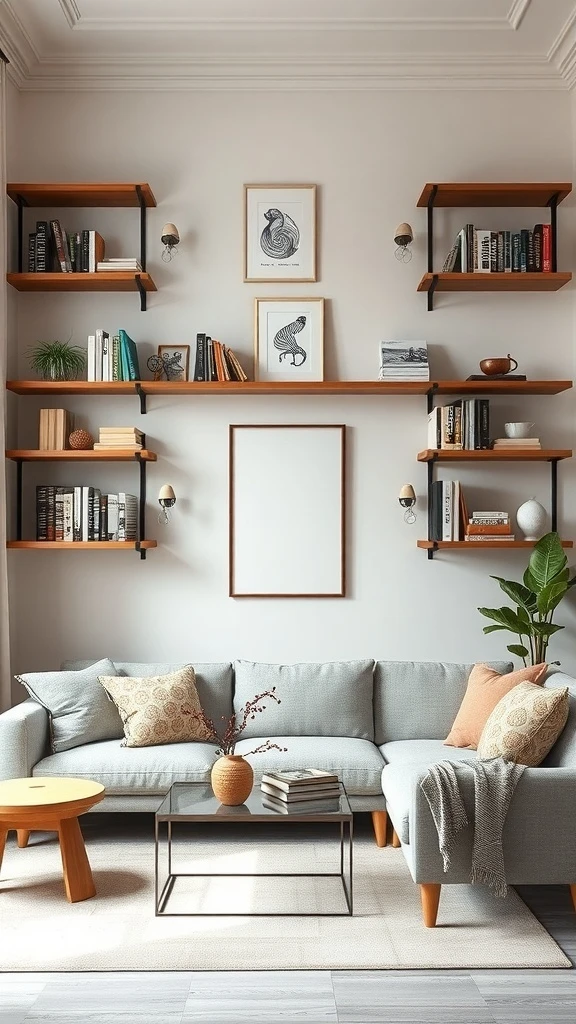
A bookshelf that goes all the way up the wall makes your living room feel so much taller and more interesting. Books, plants, and little decorative objects on each shelf give the room this layered lived-in look. The eye moves upward and suddenly the ceiling feels higher. Warm wood shelves against a light wall with a couple of small lights tucked in create this cozy library corner that is also totally functional.
Pick a tall narrow bookshelf or mount floating shelves in a vertical line from waist height to just below the ceiling. Alternate books with small plants, framed photos, and a candle or two so each shelf has a mix of practical and pretty. Leave a little breathing room between items so it never looks cluttered. Use warm-toned wood or paint the shelves the same color as your wall for a seamless built-in look. A small clip-on light or a string of fairy lights adds that finishing glow.
Tall Plants That Bring the Room to Life
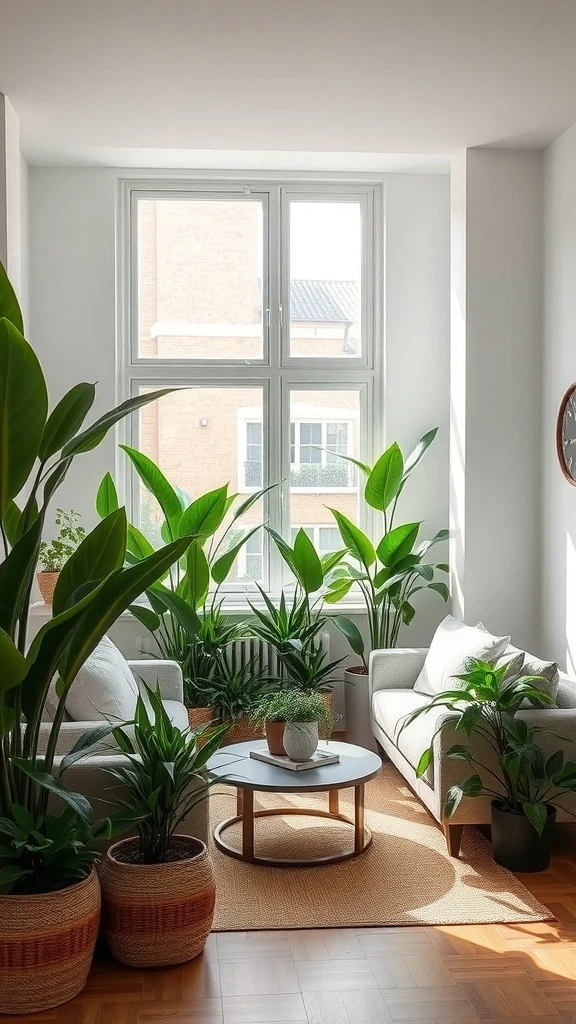
A tall leafy plant in the corner of a small living room changes the entire energy of the space. The green pulls your eye upward and makes the ceiling feel further away. Different varieties at different heights create this lush layered look that feels like a little indoor garden. Natural light streaming in makes every leaf glow. The room goes from plain to vibrant with just a few well-placed pots.
Start with one tall statement plant like a fiddle leaf fig or a bird of paradise in a large floor pot in an empty corner. Add a medium-sized plant on a side table or a plant stand nearby for layering. Tuck a small trailing plant on a shelf or windowsill to complete the grouping. Stick with pots in neutral tones like white, terracotta, or woven baskets to keep the focus on the green. Rotate your plants toward the light every couple of weeks so they grow evenly and stay healthy looking.
A Sofa That Does More Than You Think
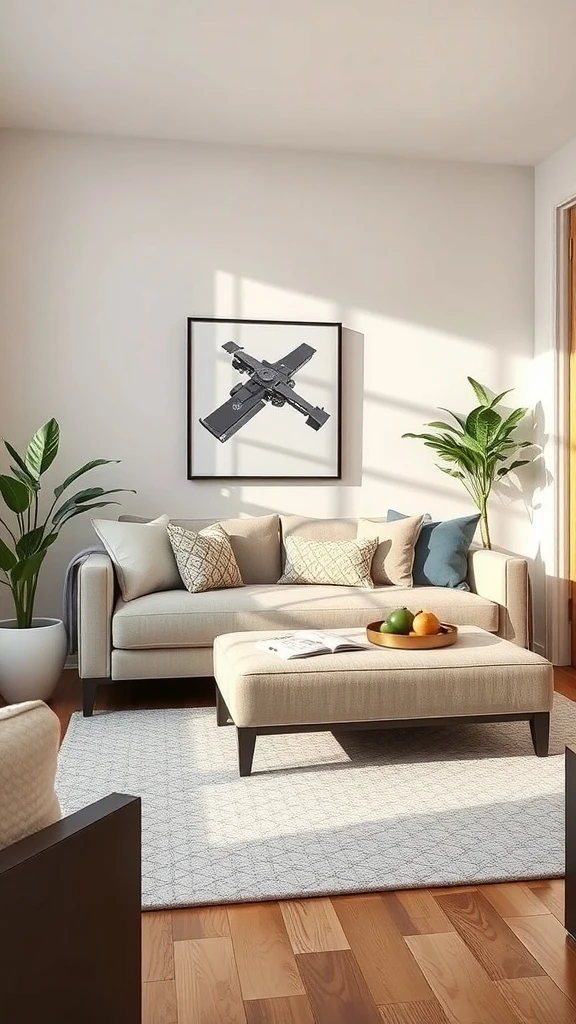
A sofa that converts into a bed or comes with hidden storage underneath is the ultimate small living room hero. It looks like a regular beautiful couch during the day. Guests come over and suddenly it transforms into a sleeping spot. An ottoman in front doubles as a coffee table, extra seating, or a blanket hideaway. Every single piece pulling double duty means nothing in the room is wasted.
Choose a sleeper sofa in a light neutral color so it keeps the room feeling open even when it is the largest piece of furniture. Look for one with a simple pull-out mechanism that does not require moving other furniture around. Pair it with a storage ottoman that opens from the top so you can stash blankets, remotes, and magazines inside. Add a couple of plants beside the sofa to keep the area feeling fresh. This setup gives you a full living room and a guest room in the same compact space.
One Big Mirror That Changes Everything
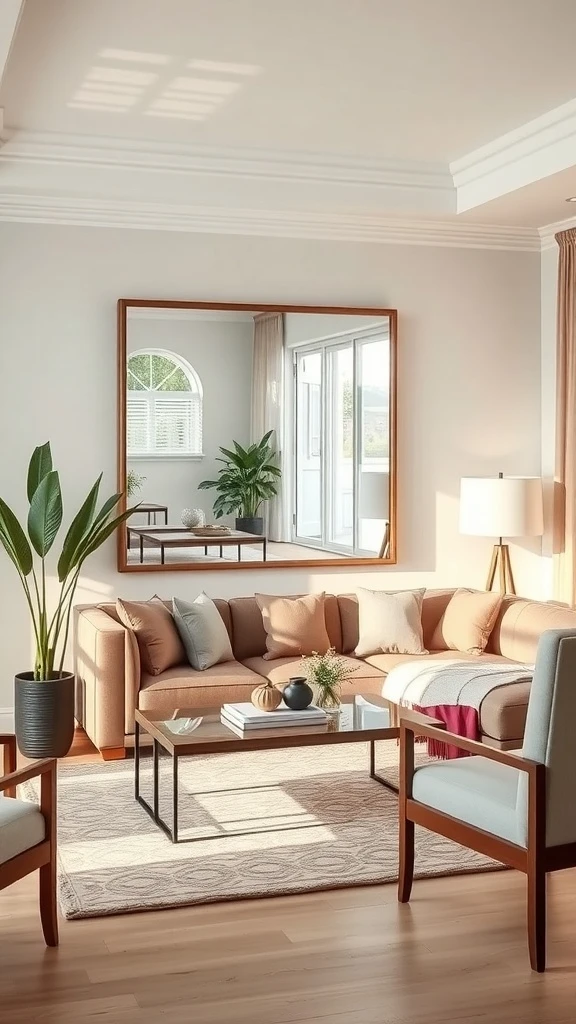
A large mirror above your sofa reflects light and depth back into the room in a way that makes the space feel almost doubled. Natural light from the windows bounces off the surface and fills every corner with brightness. Warm furniture tones and soft cushions look even cozier when they are reflected back at you. The room gains this beautiful sense of openness. It is one of the simplest upgrades with the biggest visual payoff.
Hang an oversized mirror on the wall directly across from your largest window for maximum light reflection. Choose a simple frame in gold, black, or natural wood depending on your room’s style. Position it above the sofa or behind a console table as a focal point. Make sure it reflects something beautiful like your plants, artwork, or a window view. Avoid hanging it where it reflects clutter or a blank wall. This trick works instantly and makes any small room feel significantly more spacious.
Layered Lighting That Sets Every Mood
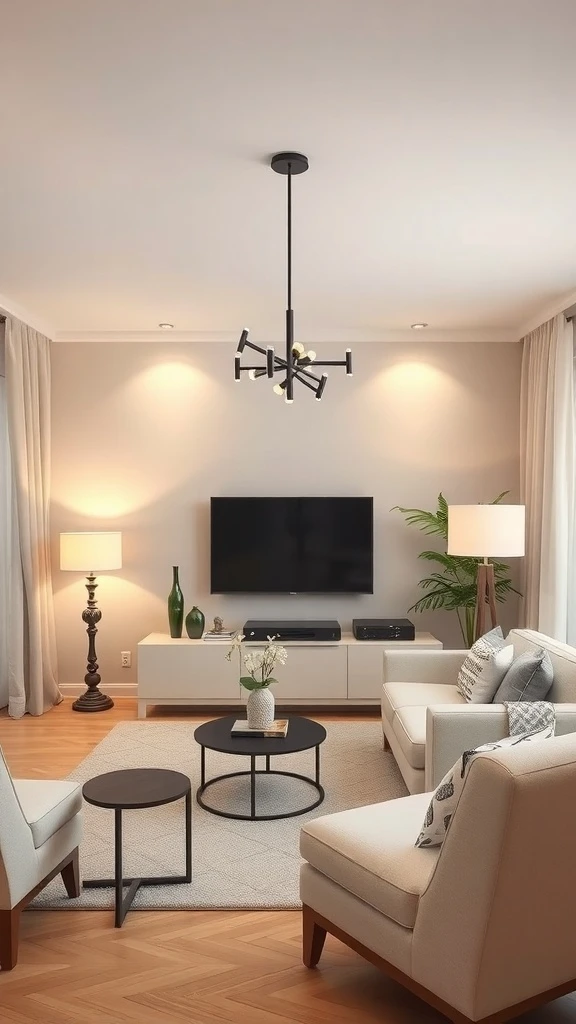
A single overhead light can make a small room feel flat and lifeless. But combine a modern pendant, a cozy floor lamp, and a couple of soft wall sconces and suddenly the whole room has depth and warmth. Different light sources at different heights create pockets of glow that make the space feel layered and inviting. Bright enough for hosting. Soft enough for a quiet evening. You control the whole mood with a flick.
Start with one central pendant or ceiling fixture for general brightness. Add a floor lamp beside the sofa for reading and that warm corner glow. Wall sconces or a table lamp on the other side of the room balance the light so no area feels dark. Use warm-toned bulbs in every fixture for a cozy unified feel. A dimmer switch on the overhead light gives you total flexibility between daytime energy and evening relaxation. This approach makes even the smallest room feel rich and full of atmosphere.
Little Details That Make the Room Yours
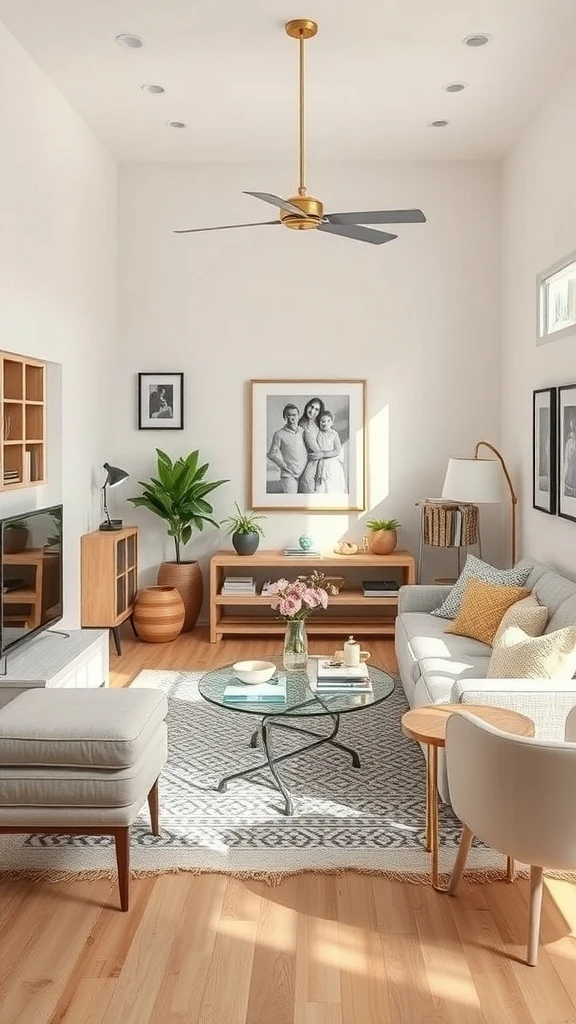
A fresh bouquet of flowers on the coffee table. Framed photos on the wall that remind you of your favorite memories. A stack of books you actually read. These small personal touches are what turn a decorated room into your room. The accessories do not need to be expensive or fancy. They just need to mean something to you. That is what makes people walk in and feel like the space has soul.
Pick three or four accessories that tell a story about who you are. A candle you love, a vase with fresh or dried flowers, a few personal photos in simple frames. Arrange them in small groupings on your coffee table and shelves instead of spreading them everywhere. Swap out flowers or seasonal items every few weeks to keep things feeling fresh. Add a throw blanket and two or three mix-and-match cushions to the sofa for texture and comfort. Keep the total number of visible items low so each one gets noticed and appreciated.
A Reading Corner You Will Never Want to Leave
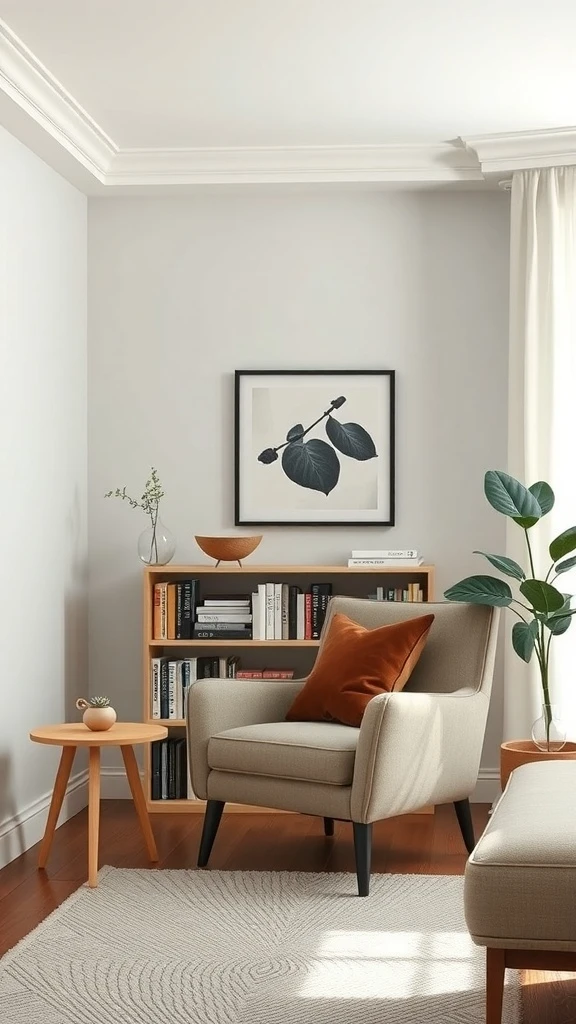
An armchair in the corner with a small side table and a bookshelf within reach. A soft rug underneath your feet. A piece of art on the wall above. This is the kind of quiet little spot that makes a small living room feel like it has secret rooms. It is cozy and calm and completely separate from the rest of the space even though it is only a few feet away. You sit down with a book and the world disappears.
Choose an armchair with a deep seat and soft fabric in a color that complements your sofa but does not match exactly. Place a small round side table beside it for your mug and reading glasses. A slim bookshelf behind or beside the chair keeps your current reads close. Layer a small rug underneath to define the nook and separate it from the main seating area. Hang one piece of art above the chair to give the corner its own identity. Soft window light or a small reading lamp completes the mood.
One Bold Art Piece That Steals the Show
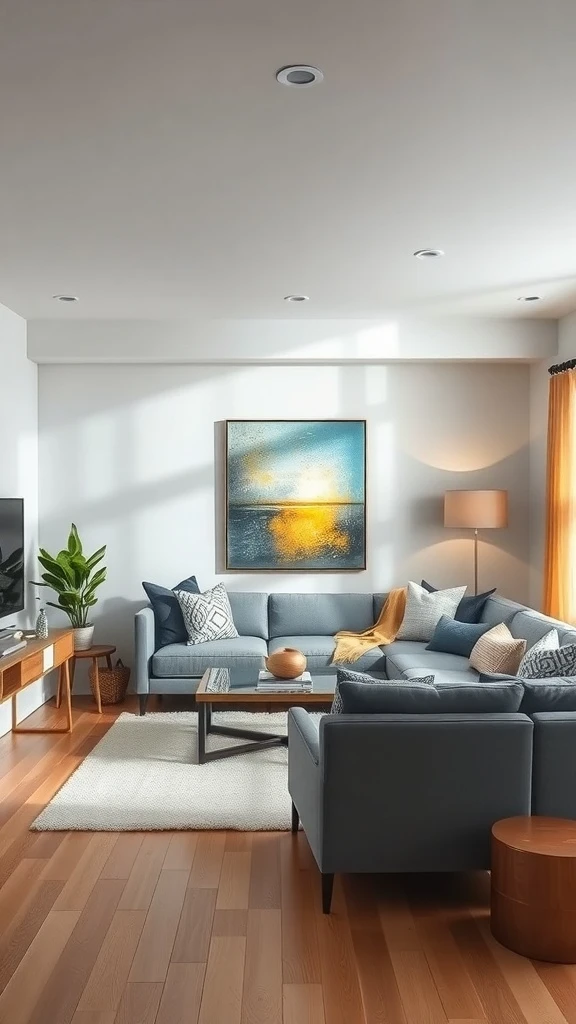
Hanging one large piece of colorful art above your sofa gives the entire room a heartbeat. It is the first thing people notice when they walk in. The colors pull together everything else in the space from the cushions to the rug to the plant pots. A statement piece like this turns a basic small room into something that feels curated and alive. You do not need ten things on the wall. You just need one really good one.
Pick an art piece that is at least two-thirds the width of your sofa so it feels proportional and not lost on the wall. Choose colors that connect to your existing palette or introduce one bold new tone you want to build around. Hang it so the center of the piece sits at eye level from a standing position. Keep the rest of the wall empty so the art gets all the attention. Pull one of the art colors into a cushion or a throw on the sofa to tie everything together seamlessly.
Mixed Textures That Make the Room Feel Rich
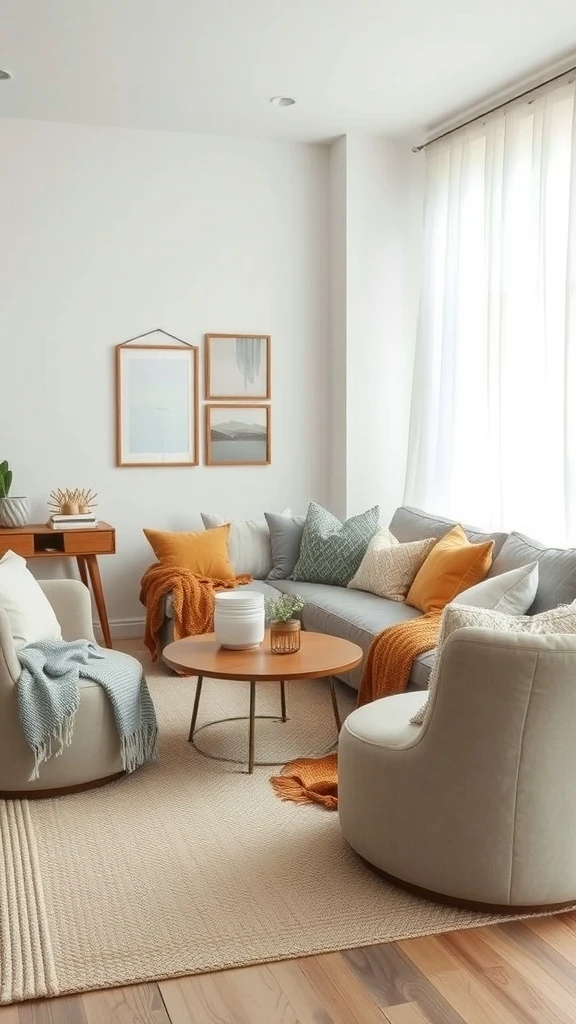
A plush sofa with a chunky knit throw draped over one arm. Smooth wood on the coffee table. A woven rug underfoot. Velvet cushions leaning against linen ones. When you layer different textures together in the same soft color palette the room feels incredibly rich and deep without a single bold color doing the work. Your hands want to touch everything. Your eyes move around the room and there is always something new to notice.
Start with your largest pieces in a soft neutral fabric like linen or cotton. Add a knitted or chunky weave throw blanket for that cozy factor. Mix cushion fabrics so you have at least two different textures next to each other like velvet beside cotton or boucle next to linen. Choose a rug with a visible weave or pattern for floor-level texture. Use one smooth surface like a glass or polished wood coffee table to contrast the softness around it. This layering technique makes a small room feel designer-level without adding any clutter.
Smart Furniture Placement That Opens the Room
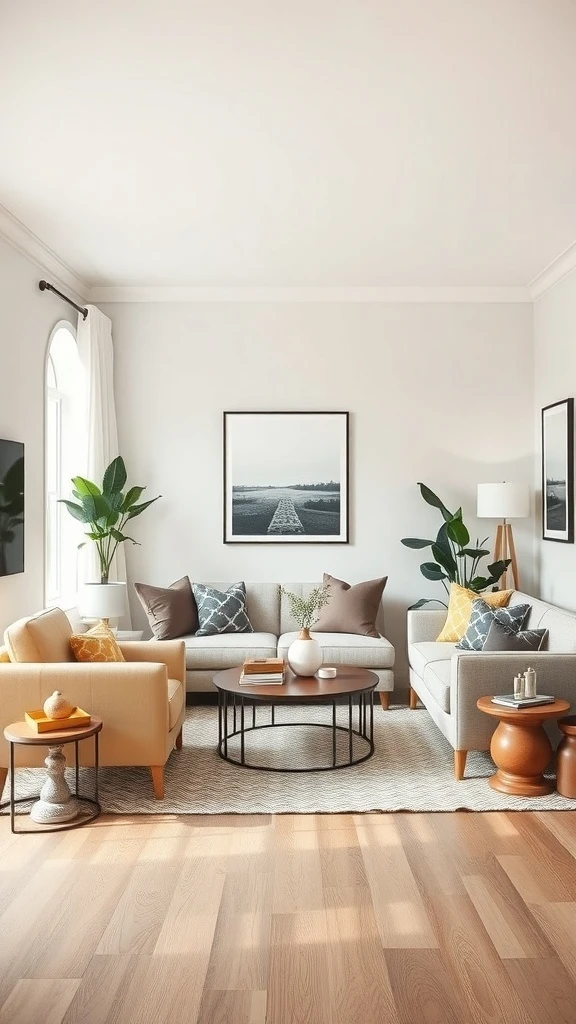
Two sofas facing each other with a round coffee table between them. It sounds like a lot for a small room but when the colors are light and the table has soft curves the whole arrangement feels open and welcoming. The round shape keeps traffic flowing smoothly. Plants on either side add height and life. The layout encourages conversation and connection. It is a small room that feels like it was made for gathering.
Pull your sofa a few inches away from the wall instead of pushing it flat against it to create the illusion of more depth. Place seating pieces facing each other for a balanced symmetrical layout that feels grounded. Use a round or oval coffee table instead of a rectangular one to avoid sharp corners and keep movement easy in tight spaces. Leave at least 18 inches of walkway space around the furniture so the room never feels blocked. Anchor the arrangement with a rug that is large enough for all the furniture legs to touch.
Corner Seating That Uses Every Inch
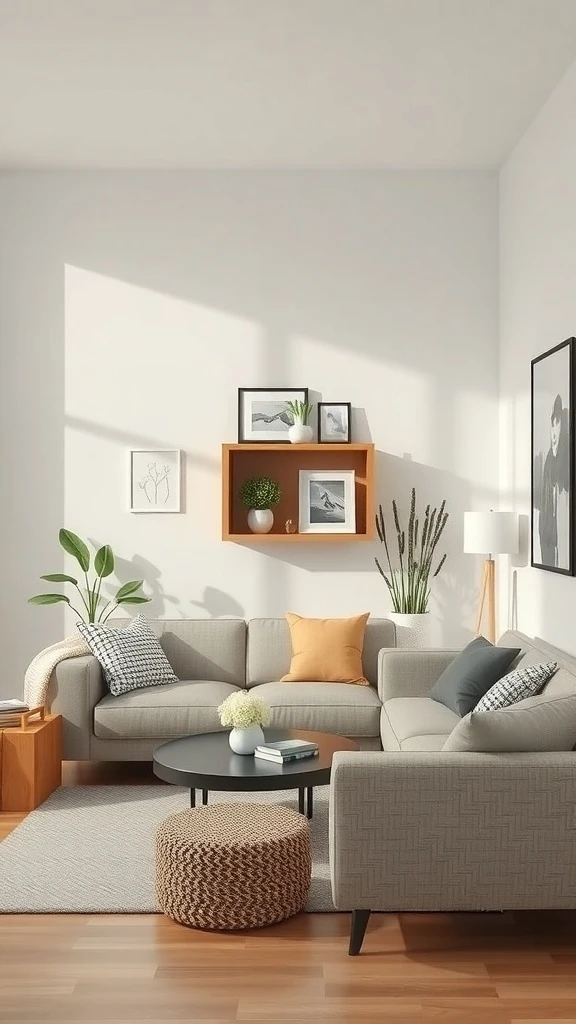
A sectional sofa tucked into the corner of a small living room gives you maximum seating with a minimum footprint. The sofa wraps around the corner and suddenly you have room for four or five people without adding extra chairs. Light upholstery blends with the walls. Art and a shelf above draw the eye upward. A round table and a small pouf in the center keep everything flexible and fun.
Measure your corner carefully and choose a compact sectional or an L-shaped sofa that fits without blocking doorways or windows. Go with a light color that matches or is close to your wall shade so the sofa visually recedes into the room. Mount a floating shelf or hang a few art pieces above to make use of that vertical wall space. Add a small round coffee table or a couple of nesting tables that can be moved around easily. A floor pouf offers extra seating that can be tucked away when you need more open space.
Statement Light Fixtures That Wow
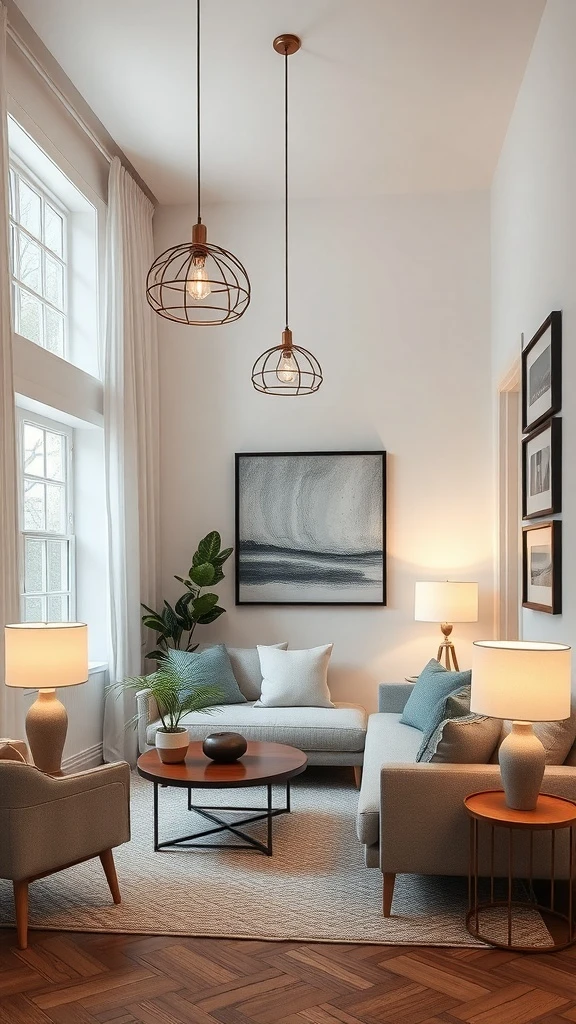
A bold pendant light hanging in a small living room gives the space instant character. Industrial metal, woven rattan, or a sculptural modern shape. Whatever your style, a standout fixture overhead becomes a piece of art in itself. Table lamps on either side of the sofa add warmth and balance. The mix of overhead and side lighting gives the room a layered glow that feels rich and intentional.
Choose one eye-catching pendant or chandelier that fits the scale of your room without hanging too low. Keep at least seven feet of clearance between the floor and the bottom of the fixture so the room feels open. Balance it with one or two table lamps or a floor lamp to fill in the lower light zones. Match the metal finish across your fixtures for a cohesive look whether that is matte black, brass, or chrome. Use warm white bulbs everywhere to keep the room feeling cozy and connected from every angle.
A Tiny Work Desk That Fits Right In
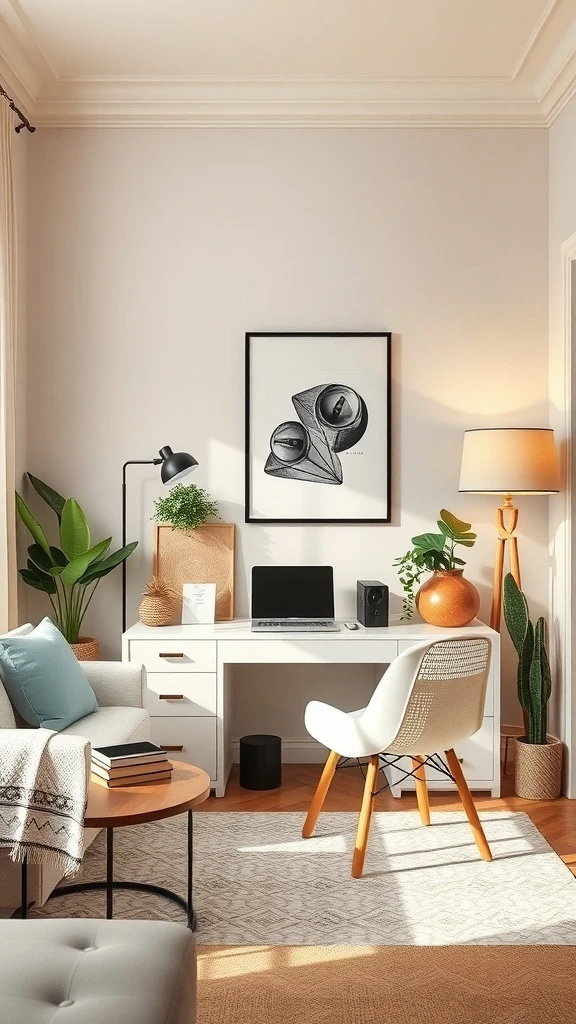
Slipping a small desk into the corner of your living room gives you a workspace that feels separate but still connected to the rest of the room. A slim surface with a laptop and a stylish lamp. A comfortable chair you actually want to sit in. A plant beside you keeping the energy fresh. It does not scream office. It just quietly works. And when you close the laptop the corner goes right back to being part of the living room.
Find a narrow writing desk or a wall-mounted fold-down surface that takes up as little depth as possible. Position it in a corner or against a wall that does not interfere with your main seating area. Add a small desk lamp and one plant to keep the surface looking styled and not cluttered. Store supplies in a drawer or a nearby basket so nothing piles up on top. Choose a chair that matches your living room decor so the workspace blends in rather than standing out as a separate zone.
The Art of Leaving Space Empty
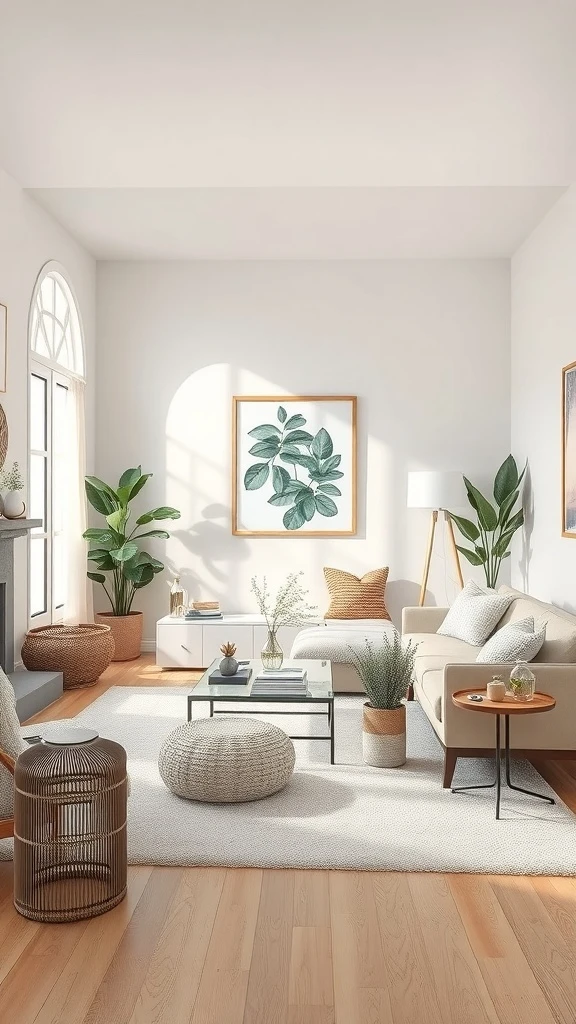
Knowing when to stop decorating is the real secret to a beautiful small living room. Open floor space between your furniture pieces makes the room feel so much larger. A glass coffee table that lets you see right through it. Plants placed with intention instead of filling every gap. Art that makes a statement because the wall around it is clean. The breathing room between things is what makes each piece actually shine.
Resist the urge to fill every corner and surface. Leave at least one wall with minimal decor to give your eyes a place to rest. Choose a glass or acrylic coffee table to maintain visual openness at the center of the room. Keep the floor visible between furniture pieces so the room feels walkable and light. Edit your accessories ruthlessly and only keep what you truly love on display. The empty space itself becomes part of the design and it is what makes a small room feel calm and spacious instead of cramped.
A Welcoming Entryway That Sets the Tone
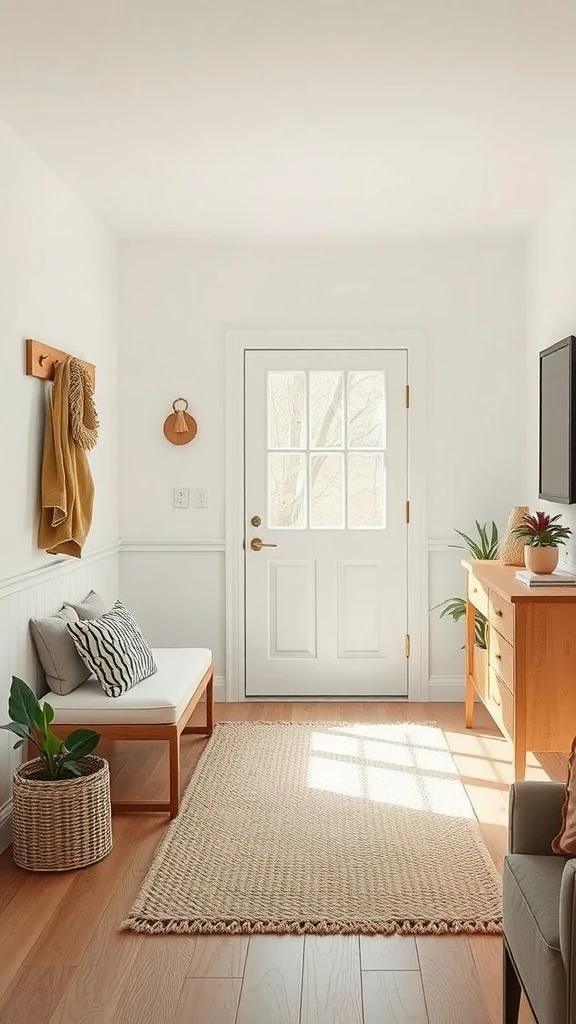
The first few feet of your home matter more than people realize. A small bench for slipping on shoes. A console table for keys and sunglasses. Hooks on the wall for bags and jackets. A woven basket on the floor keeping everything tidy. It all comes together in this bright welcoming way that makes you happy to walk through the door. A jute rug and a single plant finish it off with warmth and personality.
Place a slim console or a narrow bench against the wall right by your front door. Mount two or three hooks above it at a comfortable height for coats and bags. Keep a small basket or tray on the console for keys, mail, and everyday essentials. Add a jute or natural fiber rug in front of the bench for texture and warmth. One small plant or a vase with dried stems on the console adds that final touch that makes the whole entryway feel styled and intentional without being overdone.
Floor-Length Curtains That Add Height
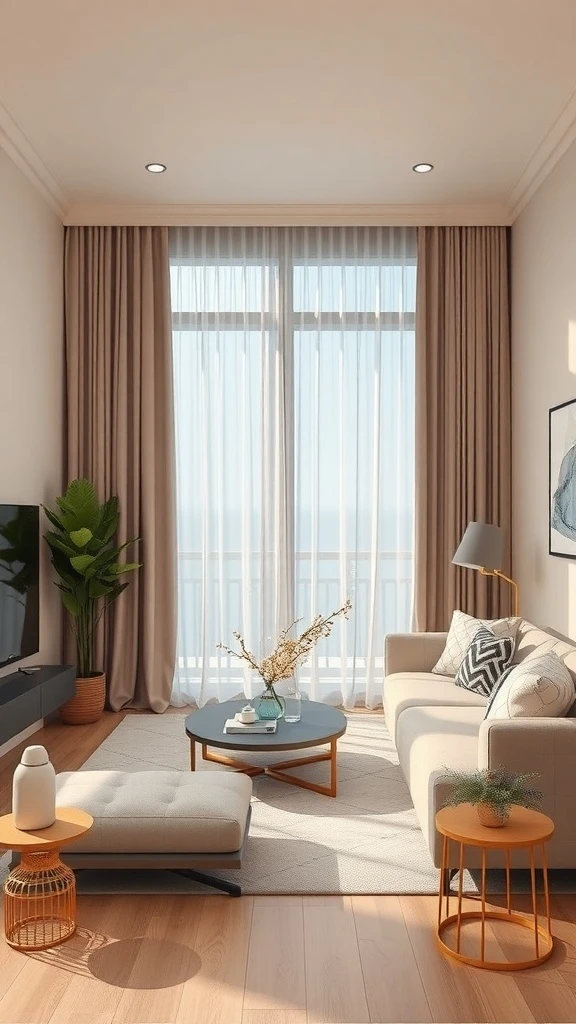
Curtains hung from the ceiling all the way down to the floor make a small living room feel dramatically taller. Sheer fabric lets natural light filter through while still softening the window beautifully. The vertical lines pull your gaze upward and the room stretches in a way that feels almost magical. Light colors keep the whole effect breezy and open. It is one of those designer tricks that costs very little but changes the entire proportion of the space.
Mount your curtain rod as close to the ceiling as possible instead of right above the window frame. Choose curtains that are long enough to just kiss the floor or puddle slightly for a luxurious look. Go with sheer or semi-sheer fabric in white or a very soft neutral so they let light through while adding privacy. Hang them wide enough to extend past the window edges so when they are open they frame the window without blocking any glass. This simple move makes the room feel taller, brighter, and more finished all at once.